The Science of Design
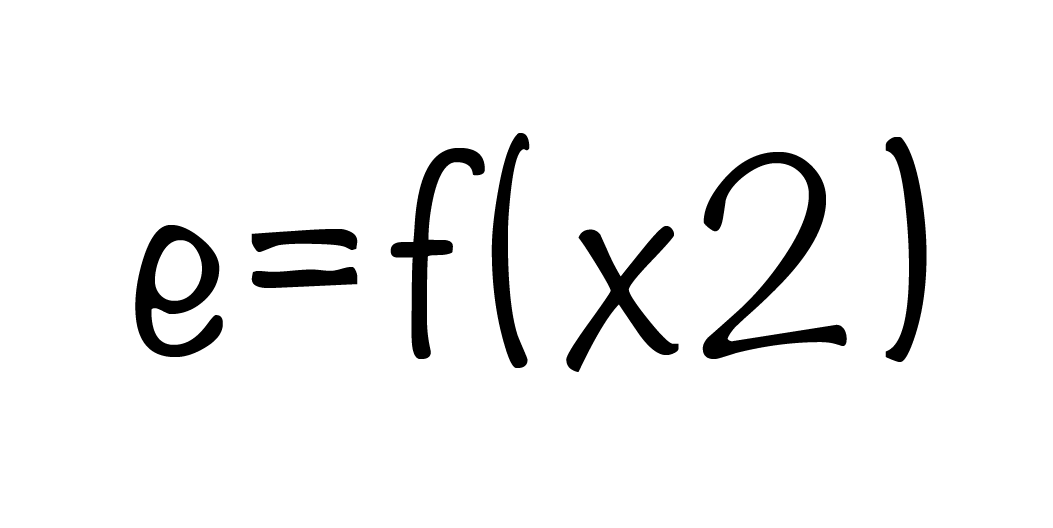
Everybody loves science. Let me correct that. Everybody loves the way science can be used to justify what you feel in your gut in the first place. Hence, the wonderful little formula you see above: e = f(x2)
The “e” stands for emotion, and the "f" for fact. And the scientific truth conveyed by this not-quite Einsteinian formulation is that emotions are twice as important as facts in determining consumer behavior. That’s twice as important, which is why I’m saying it twice.
So let’s forget the science, shall we? And forget about those wonderful product attributes known as facts, because while they’re important, they are only 50% important.
The 100% comes when you elevate your product from being simply a functional item into being an experience. From being a commodity to being an emotional connection with the consumer’s nervous system. When you succeed in wrapping your product in the aura of emotion, you’ve uncovered the Fountain of Youth for your brand.
And the vehicle of great emotion is great design.
Design can be how a product looks, of course. But design is more than the visual appearance. And experiential design has changed the way we experience products, places, and environments and is driving competition among companies in ways never seen before. Consumers pay more for better design and better experiences. So what’s the “soul” of the experience you design? Is your product just a body, or does it also possess a soul? In the realm of the marketplace, soul is something you can take to the bank.
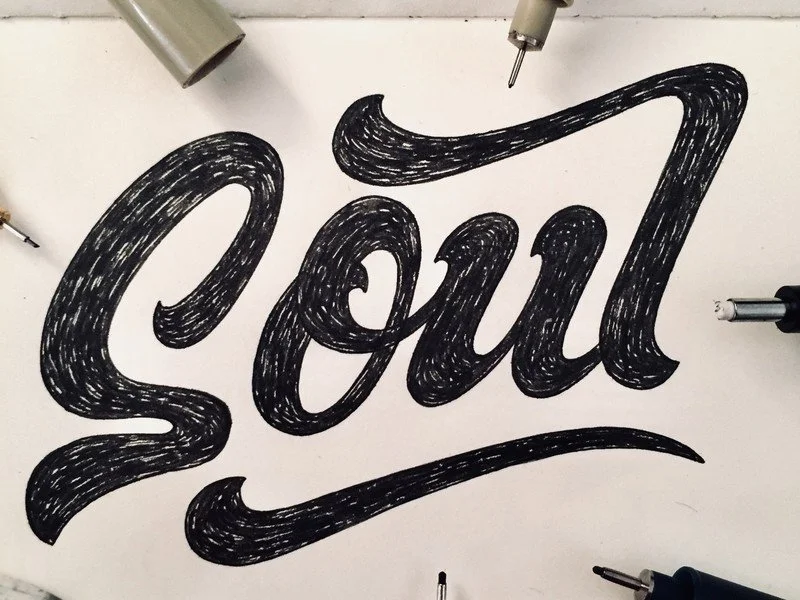
Soul Cycle (they put soul in the name!) isn’t about spinning. It’s about personal transformation and mental clarity and bringing "soul to the people." The emotion factor runs very, very high if you’ve ever encountered the brand. Peloton isn’t about the design of their in-home bikes or treadmills (although they are best-in-class). They’ve designed a community to surround yourself in - when you’re alone in your house! The Westin Heavenly Bed has a super-soul compared to the multi-colored bedspreads in competitors that hide a variety of sins. Guests spy a crisp, superbly-designed, all-white bed and they pay more for the privilege of sleeping in it.
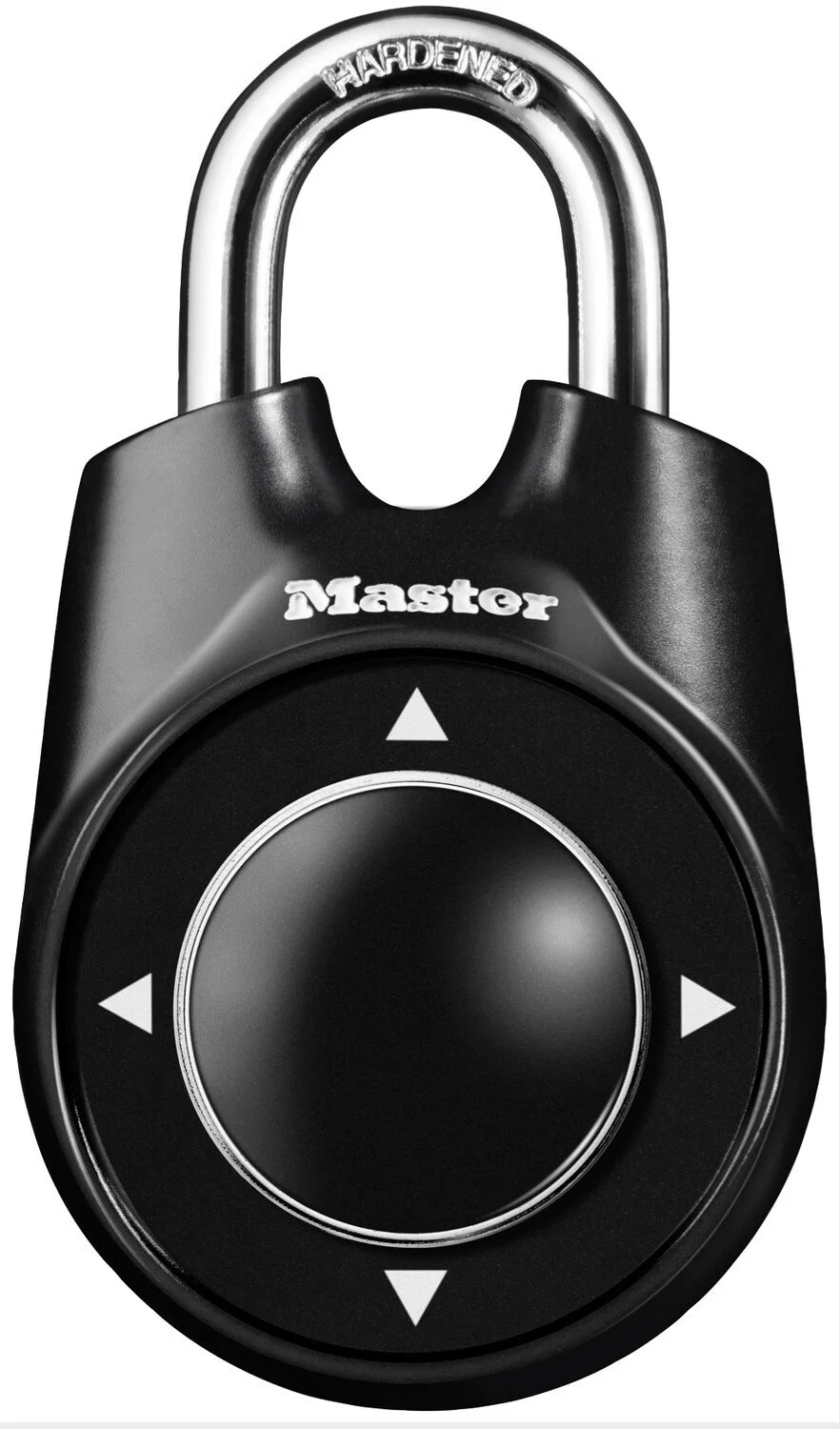
Master Lock padlocks, churned out decade after decade by the millions, were clearly soul-less objects of function. When identical locks could be made cheaper in China, Master Lock was teetering on solvency. Because innovation is seldom appreciated by the majority, their challenge was to convince management to abandon strategies for competing on price, and instead to differentiate through design. Since hurtling themselves through the Gates of Design, Master Lock has filed no less than 191 patents, with 162 more in the pipeline. Their new locks are so modern, so sleek and so cool looking, you actually love holding them in your hand and contemplating the sculpture. They have been likened to “iPods that lock.”
So remember e = f(x2)
In brand building, data and facts are often over-rated, motion is a function of emotion, innovation is the key to driving sales and when you build soulful emotion into your product by design you’re creating a premium revenue driver.